Talk To An Expert ( Prakash Lamsal )
Talk To An Expert ( Prakash Lamsal )

The Nepal Trek to Everest Base Camp is more than a destination—it’s a powerful journey through nature, culture, and personal achievement. From the moment you step onto the trail to the moment you stand beneath Mount Everest, every step tells a story of adventure and inspiration.
If you are looking for the best Himalayan trekking experience in Nepal, the Everest Base Camp Trek is the ultimate choice.
The Nepal Trek to Everest Base Camp (EBC) is one of the world’s most iconic trekking journeys, offering an unmatched blend of Himalayan scenery, Sherpa culture, spiritual heritage, and high-altitude adventure. Standing at the foot of Mount Everest (8,848.86 m)—the highest mountain on Earth—is a dream for trekkers, nature lovers, and adventure seekers from across the globe.
This legendary trek takes you deep into the Khumbu region of Nepal, through ancient villages, glacial valleys, and UNESCO-listed Sagarmatha National Park, ultimately leading to the legendary Everest Base Camp at 5,364 meters.
Day 1: Arrive in Kathmandu, explore.
Day 2: Fly to Lukla (2,860m), trek to Phakding (2,660m).
Day 3: Trek to Namche Bazaar (3,440m).
Day 4: Acclimatization in Namche (hike to Everest View Hotel/Khumjung).
Day 5: Trek to Tengboche Monastery (3,885m).
Day 6: Trek to Dingboche (4,220m).
Day 7: Acclimatization in Dingboche (hike Nangkartshang Peak).
Day 8: Trek to Lobuche (4,970m).
Day 9: Trek to Gorak Shep (5,180m), hike to EBC (5,364m).
Day 10: Sunrise hike to Kala Patthar (5,555m), trek down to Pheriche/Pangboche.
Day 11: Trek to Namche Bazaar.
Day 12: Trek to Lukla.
Day 13: Fly back to Kathmandu.
Day 14: Depart Kathmandu.
The Nepal Everest Base Camp Trek is one of the most rewarding trekking experiences on Earth. It combines breathtaking mountain scenery, rich Himalayan culture, and the personal achievement of reaching the base of the world’s highest peak. Here’s why this legendary trek stands above all others:
The ultimate reason to choose this trek is the chance to reach Everest Base Camp (5,364 m) and stand beneath Mount Everest (8,848.86 m)—a once-in-a-lifetime moment for adventurers and dreamers alike.
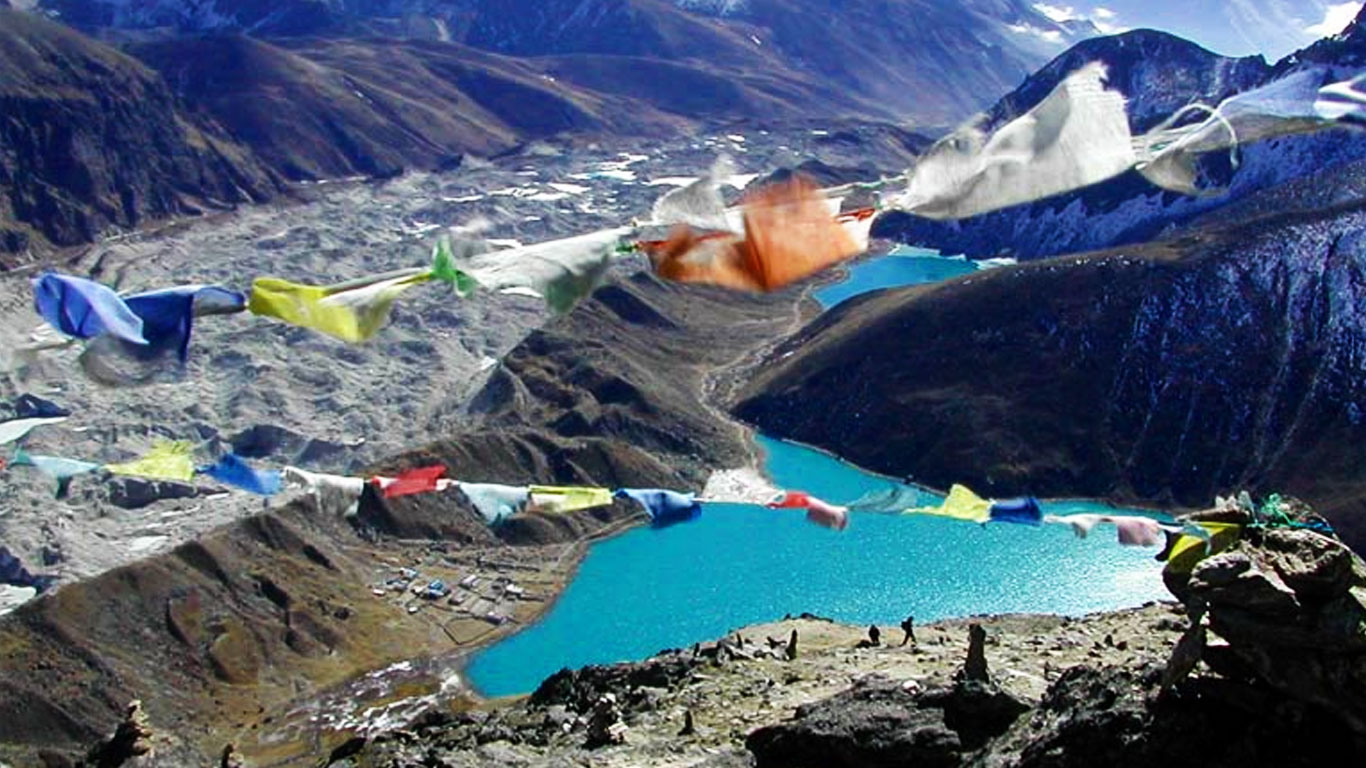
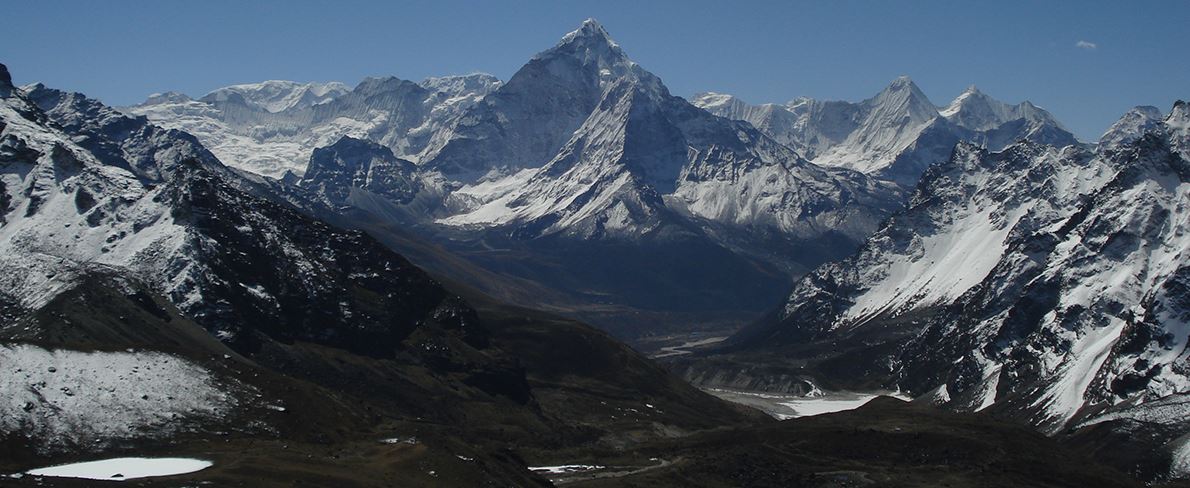
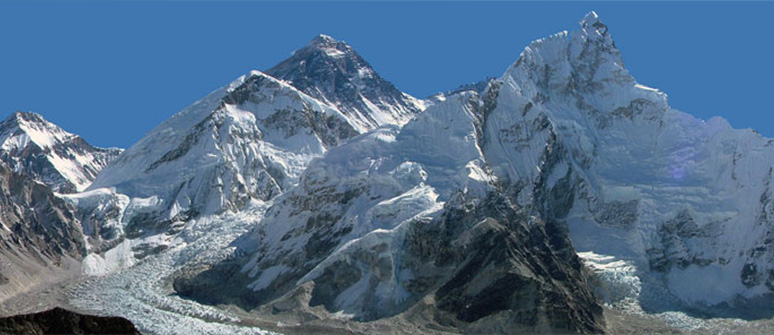
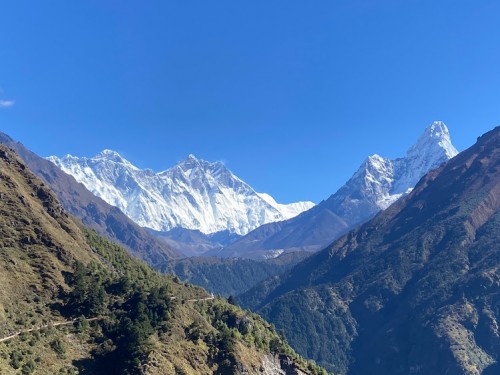
The trek offers constant panoramic views of iconic peaks such as Everest, Lhotse, Nuptse, Ama Dablam, Thamserku, and Pumori, along with glaciers, deep valleys, and alpine landscapes that change every day.
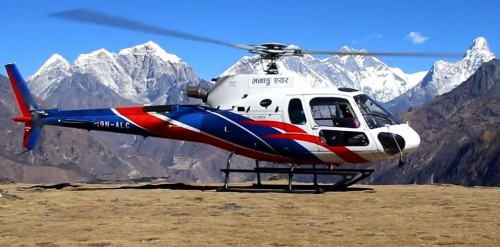
The scenic mountain flight from Kathmandu to Lukla is an adventure in itself, offering spectacular aerial views of the Himalayas and marking the exciting start of the journey.
Walk through traditional Sherpa villages like Namche Bazaar, Khumjung, and Dingboche, visit ancient monasteries such as Tengboche, and experience warm Himalayan hospitality rooted in Tibetan Buddhist traditions.
The trail passes through Sagarmatha National Park, home to rare wildlife, pristine forests, glacial rivers, and dramatic landscapes protected as a UNESCO World Heritage Site.
No technical climbing skills are required. With proper acclimatization and a steady pace, the Everest Base Camp Trek is achievable for fit beginners as well as experienced trekkers.
The sunrise hike to Kala Patthar (5,545 m) offers the closest and most dramatic view of Mount Everest, along with sweeping views of the Khumbu Glacier and surrounding peaks.
Well-established teahouses provide cozy accommodation and nutritious meals throughout the route, making this trek more comfortable and accessible than many high-altitude adventures.
Beyond the destination, the Everest Base Camp Trek is a journey of self-discovery, resilience, and inspiration—an experience that stays with you long after you return home.
Choosing the Nepal Everest Base Camp Trek means choosing adventure, culture, challenge, and the ultimate Himalayan experience—all in one unforgettable journey.
Everest Base Camp (EBC) is located in the Solukhumbu District of northeastern Nepal, within the protected area of Sagarmatha National Park, a UNESCO World Heritage Site. It lies on the southern slope of Mount Everest, close to the border between Nepal and Tibet (China).
The Nepal Everest Base Camp sits at an altitude of 5,364 meters (17,598 feet) above sea level and serves as the main starting point for climbers attempting the Mount Everest summit from the Nepal side.
Country: Nepal
Region: Khumbu, Solukhumbu District
Protected Area: Sagarmatha National Park (UNESCO World Heritage Site)
Altitude: 5,364 meters (17,598 feet)
Nearest Airport: Lukla (Tenzing-Hillary Airport)
Everest Base Camp is accessible only by trekking. Most trekkers fly from Kathmandu to Lukla, then follow a scenic trail through famous Sherpa villages such as Namche Bazaar, Tengboche, Dingboche, and Lobuche before reaching the base camp.
This unique location—surrounded by towering Himalayan peaks, massive glaciers, and ancient Sherpa settlements—makes Everest Base Camp one of the most remarkable trekking destinations in the world.
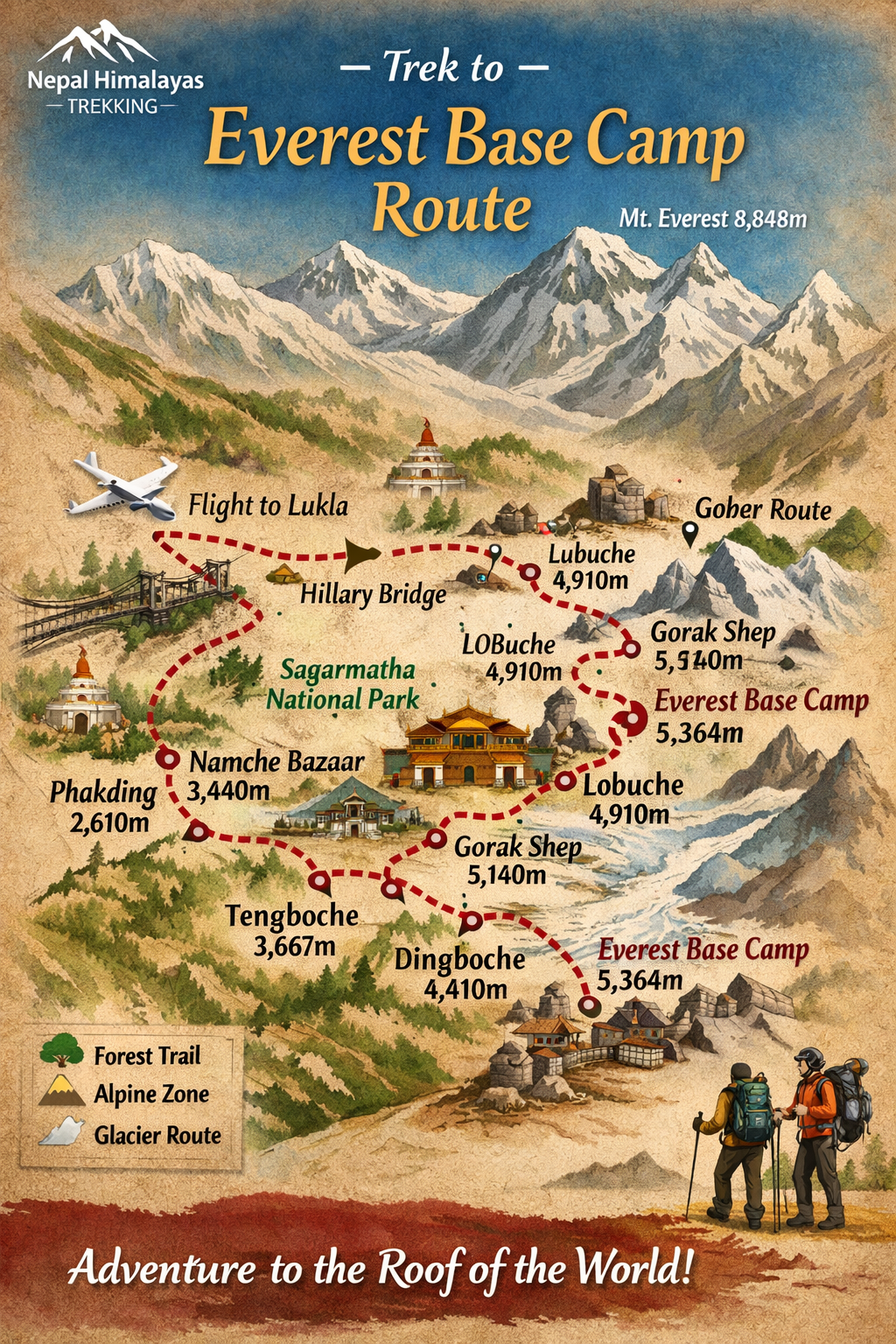
The Nepal Everest Base Camp Trek route follows the classic and most popular trail through the heart of the Khumbu region, offering a perfect balance of scenic beauty, cultural immersion, and gradual altitude gain. This well-established route allows safe acclimatization while showcasing the best of the Everest region.
The journey begins with a spectacular mountain flight from Kathmandu to Lukla (2,860 m). From Lukla, the trekking adventure officially starts.
The first day’s walk is a gentle introduction, following the Dudh Koshi River, passing suspension bridges, small villages, and mani walls before reaching Phakding.
The trail continues through pine forests and across high suspension bridges to Namche Bazaar (3,440 m)—the vibrant Sherpa capital and main trading hub of the region.
A rest and acclimatization day helps the body adjust to altitude. Short hikes to Everest View Hotel or nearby villages provide the first clear views of Mount Everest.
The route ascends gradually with panoramic views of Everest, Ama Dablam, and Lhotse, leading to Tengboche, home to the region’s most famous monastery.
The trail descends through forests before crossing alpine landscapes to reach Dingboche, a key acclimatization village surrounded by towering peaks.
As the altitude increases, the route passes memorials of fallen climbers near Thukla Pass before arriving at the high-altitude settlement of Lobuche.
From Lobuche, trekkers hike to Gorakshep, then continue along the Khumbu Glacier to reach the iconic Everest Base Camp (5,364 m)—the ultimate goal of the trek.
An early morning hike to Kala Patthar (5,545 m) offers the closest and most breathtaking views of Mount Everest, especially at sunrise.
After Kala Patthar, the trail retraces the same route back through Pheriche, Namche Bazaar, and Phakding to Lukla, where the trek concludes.
Starting Point: Lukla
Ending Point: Lukla
Maximum Elevation: Kala Patthar (5,545 m)
Trek Duration: 12–14 days (typical)
Trekking Style: Teahouse trek
The Nepal Everest Base Camp Trek route is renowned for its accessibility, safety, and unforgettable Himalayan scenery, making it the top choice for trekkers visiting Nepal.
Choosing the best time for the Nepal Trek to Everest Base Camp is essential for clear mountain views, stable weather, and a safe, enjoyable trekking experience. Although the trek is possible throughout the year, spring and autumn are widely considered the best seasons.
Spring is one of the most popular and rewarding times to trek to Everest Base Camp.
Why trek in spring?
Clear skies and excellent visibility
Mild daytime temperatures
Blooming rhododendron forests at lower elevations
Lively atmosphere with Everest climbing expeditions
Weather:
Daytime temperatures: 10°C to 15°C (lower regions)
Cooler nights at higher altitude
Best for: Photographers, nature lovers, and trekkers who want vibrant landscapes and good weather.
Autumn is considered the best time overall for the Nepal Everest Base Camp Trek.
Why trek in autumn?
Stable weather and minimal rainfall
Crystal-clear mountain views
Comfortable trekking temperatures
Festive season with major Nepali festivals
Weather:
Daytime temperatures: 12°C to 18°C (lower regions)
Cold but manageable nights at higher elevations
Best for: First-time trekkers, clear photography, and the most reliable trekking conditions.
Winter trekking is possible but more challenging.
Pros:
Very quiet trails
Clear skies on many days
Stunning snow-covered landscapes
Cons:
Extremely cold temperatures
Snow may block high passes and trails
Limited teahouse availability at higher altitudes
Best for: Experienced trekkers who prefer solitude and cold conditions.
Monsoon is the least popular time for trekking to Everest Base Camp.
Challenges:
Frequent rainfall and cloudy skies
Limited mountain views
Slippery trails and leeches at lower altitudes
Possible flight delays to Lukla
Advantages:
Lush green landscapes
Fewer trekkers
Lower trekking costs
Best for: Trekkers with flexible schedules who don’t mind rain and fewer views.
| Season | Months | Trekking Quality |
|---|---|---|
| Spring | March–May | Excellent |
| Autumn | September–November | Best |
| Winter | December–February | Challenging |
| Monsoon | June–August | Least Recommended |
The Everest Base Camp Trek difficulty level is generally rated as moderate to challenging. While no technical climbing or mountaineering skills are required, the trek demands good physical fitness, mental determination, and proper acclimatization due to high altitude and long trekking days.
The biggest challenge is altitude. The trek reaches:
Everest Base Camp: 5,364 m
Kala Patthar (highest point): 5,545 m
At these elevations, oxygen levels are significantly lower, making proper acclimatization essential.
Daily trekking time: 5–7 hours
Total trekking days: 12–14 days
Varied terrain including stone steps, rocky paths, and glacial trails
Cold mornings and nights, especially above 4,000 m
Weather can change quickly in the mountains
Simple teahouse accommodation
Limited hot showers, electricity, and Wi-Fi at higher elevations
The trek is achievable for:
Trekkers with average fitness levels
First-time high-altitude trekkers with good preparation
People who can walk 5–6 hours per day consistently
No previous trekking or climbing experience is required, but cardio fitness and leg strength are important.
Proper acclimatization greatly reduces the difficulty:
Scheduled rest days in Namche Bazaar and Dingboche
Gradual altitude gain
“Climb high, sleep low” strategy
Most standard itineraries are designed with safety and comfort in mind.
To make the trek easier:
Do regular cardio exercises (hiking, stair climbing, cycling)
Build leg and core strength
Trek at a slow and steady pace
Stay hydrated and eat well
| Factor | Difficulty |
|---|---|
| Altitude | Challenging |
| Physical Demand | Moderate |
| Technical Skills | Not Required |
| Terrain | Moderate |
| Experience Needed | Beginner-Friendly with Preparation |
One of the most enriching aspects of the Everest Base Camp (EBC) Trek is the cultural immersion into the unique lifestyle, traditions, and spirituality of the Sherpa people and Himalayan communities. Beyond the breathtaking mountains, this trek offers a deep connection with local culture that makes the journey unforgettable.
The trail passes through several ancient Sherpa villages, including:
Namche Bazaar – the bustling Sherpa hub with markets, bakeries, and handicraft shops
Khumjung and Kunde – traditional settlements with monasteries and schools
Dingboche and Lobuche – high-altitude villages where daily life revolves around farming, yak herding, and local festivals
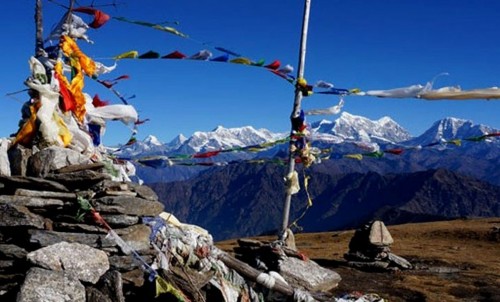
Trekkers witness traditional stone houses, prayer flags, mani walls, and chortens, offering an authentic Himalayan experience.
The trek offers a unique opportunity to explore Buddhist spirituality:
Tengboche Monastery – the most famous monastery in the Khumbu region, hosting spiritual ceremonies and offering panoramic mountain views
Smaller monasteries and prayer shrines in villages along the trail
These sacred sites allow trekkers to observe rituals, prayer chanting, and meditation, providing insight into the Sherpa way of life and Tibetan Buddhist traditions.
Timing your trek can allow you to witness local festivals such as:
Losar (Tibetan New Year)
Dumje Festival at Tengboche Monastery
During these festivals, locals wear traditional clothing, perform dances, and celebrate with rituals, making it a colorful cultural experience.
The trek also gives a taste of local Sherpa cuisine:
Dal Bhat (rice and lentil soup) – the staple diet
Thukpa (noodle soup)
Momos (dumplings) – popular snacks along the trail
Yak butter tea and locally brewed beverages offer a truly Himalayan culinary experience
Sherpas are known for their warm hospitality and friendliness. Trekkers often interact with locals, learn about their lives, and share stories around the teahouse fires, making the journey socially and culturally enriching.
Authentic Sherpa lifestyle and traditions
Visits to ancient monasteries and religious sites
Exposure to Himalayan festivals and rituals
Traditional cuisine and local hospitality
The Everest Base Camp Trek is not just a physical adventure—it is a journey through culture, spirituality, and human resilience, offering experiences that go beyond the mountains.
A key part of the Everest Base Camp (EBC) Trek experience is the teahouse system, which provides trekkers with basic comfort, meals, and a chance to interact with fellow adventurers. While accommodations are simple, they are cozy and sufficient for a high-altitude trekking journey.
Along the trek, you’ll stay in teahouses, which are small lodges run by local Sherpa families.
Rooms: Twin or triple rooms with beds and blankets
Facilities: Shared bathrooms (some with western-style toilets at lower elevations; basic pit toilets at higher elevations)
Heating: Common dining halls are heated with wood or yak dung stoves; rooms may be cold at night
Electricity & Wi-Fi: Available in larger villages like Namche Bazaar, Tengboche, and Dingboche, though limited at higher altitudes
Popular teahouse stops:
Lukla
Phakding
Namche Bazaar
Tengboche
Dingboche
Lobuche
Gorakshep
Meals on the trek are simple, nutritious, and designed to provide energy for long trekking days. Most teahouses offer:
Dal Bhat (lentil soup with rice): Staple dish for energy
Thukpa (noodle soup) and momos (dumplings): Popular Himalayan foods
Pasta, noodles, and fried rice: Available in most teahouses
Snacks: Chocolate, biscuits, nuts, and instant soups
Drinks: Tea, coffee, hot chocolate, and locally made juices or yak butter tea
Meal Cost:
Breakfast: $5–$8
Lunch/Dinner: $8–$13
Hot drinks: $2–$3
Book early in peak seasons (spring and autumn) to secure rooms in popular villages.
Carry a sleeping bag for added warmth in teahouse rooms.
Stay hydrated and eat well; altitude can affect appetite.
Try local dishes to experience authentic Sherpa culture.
Carry snacks for high-altitude sections like Gorakshep and Everest Base Camp, where teahouse options are limited.
Trekking to Everest Base Camp (EBC) in Nepal requires official permits to ensure both legal entry and conservation of the region. These permits are mandatory for all trekkers and are issued by the Nepal government.
Purpose: Allows entry into Sagarmatha National Park, a UNESCO World Heritage Site that includes Everest and surrounding peaks.
Cost: Approximately $30 USD for foreign nationals (prices may vary slightly).
How to Obtain:
Can be arranged in Kathmandu or Lukla through trekking agencies.
Requires a valid passport with at least six months validity.
Purpose: Known as the Trekkers’ Information Management System (TIMS) card, it ensures trekkers are registered for safety and tracking purposes.
Cost:
Individual trekker: $30 USD
Group trekker: $30 USD
Where to Get:
Can be obtained from the Nepal Tourism Board office in Kathmandu or via licensed trekking agencies.
Depending on your route, some sections may require additional permits:
Lukla Airstrip Fee: For flights to/from Lukla
Restricted Area Permits: For treks entering restricted regions (e.g., Gokyo Valley or Makalu)
Always carry your permits during the trek; checkpoints may verify them.
Obtain permits through a licensed trekking agency to avoid delays or scams.
Keep copies of permits as backup.
Permit fees help support local conservation and communities in the Khumbu region.
| Permit | Purpose | Cost | Issued By |
|---|---|---|---|
| Sagarmatha National Park Entry | Entry into Everest region | ~$30 USD | Nepal Government / Trekking Agency |
| TIMS Card (Khumbu Pasang Lhamu Rural Municipality Permit) | Trekker registration and safety | $30 USD | Nepal Tourism Board / Trekking Agency |
Obtaining these permits is simple and straightforward, especially when booked through an experienced trekking company, allowing you to focus on enjoying the breathtaking journey to Everest Base Camp.
Choosing the right trekking agency is one of the most important decisions when planning your Everest Base Camp (EBC) Trek. Trekking with a reliable local Nepal agency, like Nepal Himalayas Trekking, ensures a safe, comfortable, and unforgettable Himalayan adventure. Here’s why:
Certified guides with in-depth knowledge of the Khumbu region
First-hand experience with altitude management, trail conditions, and weather changes
Ability to customize your itinerary based on your fitness and preferences
Guides who speak English and multiple languages to ensure smooth communication
Arranged teahouse accommodations and meals along the route
Porters available to carry luggage, reducing physical strain
Assistance with emergency situations, altitude sickness, and medical support
Focus on safety protocols and proper acclimatization
Nepal Himalayas Trekking manages all required permits, including:
Sagarmatha National Park Entry Permit
TIMS Card / Khumbu Pasang Lhamu Rural Municipality Permit
Optional permits for extended routes like Gokyo or Three Passes
This ensures a hassle-free trekking experience without delays at checkpoints.
Supports local Sherpa communities by hiring guides, porters, and staff locally
Promotes eco-friendly trekking practices, including waste management
Provides fair wages and proper insurance for staff, ensuring ethical tourism
Tailored trekking packages for all fitness levels and budgets
Advice on gear, packing, and acclimatization
Options for helicopter return, luxury treks, or extended high-pass routes
Experienced in managing family treks, first-time trekkers, and adventure groups
Local agencies know lesser-known trails, scenic viewpoints, and cultural highlights, offering:
Off-the-beaten-path villages and monasteries
Local festivals and cultural interactions
Unique photo opportunities of Everest and surrounding peaks
Trusted by hundreds of international trekkers
Owned and operated by Mr. Prakash Lamsal, a local trekking expert
Offers customized itineraries, cost transparency, and excellent client support
Guarantees a memorable and safe Everest Base Camp adventure
Walking Hours: — 0 km, Distance: — 5/6 Km by drive
Upon arrival at Tribhuvan International Airport, our representative from Nepal Himalayas Trekking welcomes you and transfers you to your hotel. After check‑in, enjoy time to rest or explore nearby streets. In the evening, attend a detailed trek briefing covering altitude safety, route highlights, and gear check. Overnight in Kathmandu.
Walking Hours: 3–4 hrs | Distance: ~8 km
An early morning scenic flight delivers breathtaking Himalayan views before landing at Lukla’s iconic airstrip. Begin trekking along the Dudh Koshi River through Sherpa villages, prayer wheels, and mani walls. This gentle walk is ideal for initial acclimatization. Overnight in Phakding.
Walking Hours: 5–6 hrs | Distance: ~11 km
Cross suspension bridges draped in prayer flags and enter Sagarmatha National Park. The trail steepens after the Hillary Bridge, leading to Namche Bazaar. On clear days, catch your first glimpse of Mount Everest. Overnight in Namche Bazaar.
Walking Hours: 3–4 hrs (optional hikes) | Distance: ~5 km
A vital acclimatization day. Optional hikes include Everest View Hotel or Khumjung Village, offering panoramic Himalayan views. Explore Sherpa Culture Museum, bakeries, cafes, and local markets. Overnight in Namche Bazaar.
Walking Hours: 5–6 hrs | Distance: ~10 km
Walk along scenic ridge trails with Ama Dablam views, descend to Phunki Tenga, then climb through rhododendron forests to Tengboche. Visit the famous Tengboche Monastery with Everest and Ama Dablam as a backdrop. Overnight in Tengboche.
Walking Hours: 5–6 hrs | Distance: ~11 km
Descend through forests, cross the Imja River, and ascend gradually into open alpine landscapes. Pass Pangboche village and ancient monasteries before reaching Dingboche. Overnight in Dingboche.
Walking Hours: 4–5 hrs | Distance: ~4–5 km
Hike to Nangkartshang Peak (5,083m) for acclimatization. Enjoy sweeping views of Makalu, Lhotse, Ama Dablam, and the Imja Valley. Afternoon rest and recovery. Overnight in Dingboche.
Walking Hours: 5–6 hrs | Distance: ~11 km
Trek through alpine terrain to Thukla Pass, where climbers’ memorials stand in tribute. Continue along the Khumbu Glacier to Lobuche. Overnight in Lobuche.
Walking Hours: 7–8 hrs | Distance: ~15 km
Follow the Khumbu Glacier to Gorak Shep, then continue to Everest Base Camp—a legendary destination surrounded by icefalls and towering peaks. Celebrate, take photos, and return to Gorak Shep. Overnight in Gorak Shep.
Walking Hours: 6–7 hrs | Distance: ~13 km
Early morning hike to Kala Patthar for the best sunrise view of Mount Everest. Descend to Gorak Shep for breakfast, then continue downhill to Pheriche. Overnight in Pheriche.
Walking Hours: 6–7 hrs | Distance: ~14 km
Retrace your route through Pangboche and Tengboche, enjoying forests, rivers, and final Himalayan panoramas. Overnight in Namche Bazaar.
Walking Hours: 6–7 hrs | Distance: ~19 km
Final trekking day along the Dudh Koshi River back to Lukla. Celebrate your successful Everest Base Camp trek with your trekking crew. Overnight in Lukla.
Flight Time: 35 minutes
Return flight to Kathmandu with scenic views. Transfer to hotel. Free time for shopping, sightseeing, or relaxation. Overnight in Kathmandu.
Transfer to the international airport for your onward journey or optional extension tours in Nepal.
1. Airport Transfers
Pick-up and drop-off at Kathmandu International & Domestic Airport
Assistance with domestic flight connections (Kathmandu to Lukla to Kathmandu)
2. Trekking Permits and Paperwork
Sagarmatha National Park Entry Permit
TIMS Card (Trekkers’ Information Management System)
Optional permits for extended or restricted routes (Gokyo, Three Passes)
3. Experienced Local Guide
Licensed English-speaking Sherpa guide
Expert knowledge of trail conditions, culture, and altitude management
Assistance with emergency situations
4. Porter Service
One porter for every two trekkers (recommended)
Porters carry luggage so trekkers walk comfortably with a small daypack
5. Accommodation
Teahouse accommodations along the trekking route
Twin or triple rooms with blankets
Warm dining hall for meals and relaxation
6. Meals on Trek
Breakfast, lunch, and dinner during trekking days
Typical Nepalese dishes: Dal Bhat, Thukpa, Momos, noodles, Fry rice, soups or Continental like Piza, Burger, Pasta, Mecroni.......
Hot drinks such as tea, coffee, or hot chocolate
7. Trek Itinerary and Planning
Customized trek route and schedule
Acclimatization days included to prevent altitude sickness
Assistance with daily trekking plans and optional excursions
8. Transportation and Logistics
Domestic flight Kathmandu–Lukla–Kathmandu
Private transportation where applicable
All arrangements for safe and smooth trekking
9. Health and Safety
First-aid kits with guides
Emergency support and communication equipment
Advice on altitude sickness prevention
10. Cultural and Scenic Experience
Visits to Sherpa villages and Tengboche Monastery
Insight into local Himalayan culture, traditions, and festivals
International flight to and from Kathmandu, Nepal
Nepal entry visa fee
Personal trekking gear (sleeping bag, down jacket, walking poles, etc.)
Alcoholic drinks, bottled water, or soft drinks like Tea, Coffee, Deseerts....
Optional adventure activities (mountain flights, heli tours, or side excursions)
Travel or health insurance (highly recommended)
Tips for guides and porters
Meals in Kathmandu or Lukla before or after the trek
The Everest Base Camp Trek (EBC Trek) is a high-altitude trekking route in Nepal that takes trekkers to the base of Mount Everest (8,848.86 m). It offers breathtaking Himalayan scenery, Sherpa culture, and a once-in-a-lifetime adventure.
Autumn (September–November): Best overall, clear skies, dry weather
Spring (March–May): Beautiful rhododendron blooms and good visibility
Winter (December–February): Cold, fewer trekkers
Monsoon (June–August): Rainy, slippery trails, limited mountain views
The trek is moderate to challenging:
No technical climbing skills required
Long walking days (5–7 hours daily)
High-altitude trekking up to 5,545 m (Kala Patthar)
Requires good physical fitness and proper acclimatization
While experienced trekkers can hike independently, a licensed guide is highly recommended for:
Navigation and trail safety
Cultural insights and local knowledge
Emergency management and altitude-related advice
All trekkers need:
Sagarmatha National Park Entry Permit
TIMS Card (Trekkers’ Information Management System)
Optional permits may be required for Gokyo Lakes or restricted areas.
Teahouses with twin or triple rooms
Shared bathrooms, limited hot water at higher altitudes
Basic but cozy and sufficient for resting after long trekking days
Dal Bhat (rice and lentils): Staple high-energy meal
Thukpa (noodle soup), Momos (dumplings), pasta, noodles
Tea, coffee, hot chocolate, and yak butter tea
Meals cost $5–$10 per person depending on location
Build cardio fitness and leg strength
Train for long walking hours with a backpack
Learn about altitude sickness symptoms and prevention
Pack appropriate clothing for cold, windy, and variable weather
Yes, with proper preparation:
Use a licensed guide and local agency
Follow acclimatization schedules
Stay hydrated and avoid alcohol
Take precautions for altitude sickness and weather changes
While possible, trekking with a reputable local agency like Nepal Himalayas Trekking ensures:
Safety and expert guidance
Permit handling
Porters and teahouse arrangements
Support in emergencies
Budget trek: $1,000–$1,500 per person (10–14 days, teahouse style)
Mid-range trek: $1,500–$2,500 per person (with guide, porter, and more amenities)
Luxury trek: $3,000+ per person (private accommodations, helicopter options, exclusive services)
Costs vary depending on season, itinerary, and services included.
Yes, families and beginners can complete the trek with proper acclimatization and a slow pace.
Recommended for children above 12 years old
Guided treks with porters make it more comfortable and safe
Standing at Everest Base Camp
Sunrise view from Kala Patthar
Visiting Tengboche Monastery and Sherpa villages
Trekking through Sagarmatha National Park, a UNESCO World Heritage Site
Experiencing Sherpa culture, festivals, and Himalayan hospitality
Everest Base Camp is in the Solukhumbu District of Nepal, within Sagarmatha National Park, near the Nepal-Tibet (China) border. It sits at an altitude of 5,364 meters (17,598 feet).
The classic trek is typically 12–14 days, including:
Flight from Kathmandu to Lukla
Trekking to EBC and Kala Patthar
Return to Lukla and flight back to Kathmandu
Extended versions with Gokyo Lakes, Three Passes, or luxury options can last 16–21 days.
Enjoy the popular trekking and tour packages in Nepal Himalayas. 2026.
The Nepal Trek to Everest Base Camp is more than a destination—it’s a powerful journey through nature, culture, and personal achievement. From the moment you step onto the trail to the moment you stand beneath Mount Everest, every step tells a story of adventure and inspiration.
If you are looking for the best Himalayan trekking experience in Nepal, the Everest Base Camp Trek is the ultimate choice.
The Nepal Trek to Everest Base Camp (EBC) is one of the world’s most iconic trekking journeys, offering an unmatched blend of Himalayan scenery, Sherpa culture, spiritual heritage, and high-altitude adventure. Standing at the foot of Mount Everest (8,848.86 m)—the highest mountain on Earth—is a dream for trekkers, nature lovers, and adventure seekers from across the globe.
This legendary trek takes you deep into the Khumbu region of Nepal, through ancient villages, glacial valleys, and UNESCO-listed Sagarmatha National Park, ultimately leading to the legendary Everest Base Camp at 5,364 meters.
Day 1: Arrive in Kathmandu, explore.
Day 2: Fly to Lukla (2,860m), trek to Phakding (2,660m).
Day 3: Trek to Namche Bazaar (3,440m).
Day 4: Acclimatization in Namche (hike to Everest View Hotel/Khumjung).
Day 5: Trek to Tengboche Monastery (3,885m).
Day 6: Trek to Dingboche (4,220m).
Day 7: Acclimatization in Dingboche (hike Nangkartshang Peak).
Day 8: Trek to Lobuche (4,970m).
Day 9: Trek to Gorak Shep (5,180m), hike to EBC (5,364m).
Day 10: Sunrise hike to Kala Patthar (5,555m), trek down to Pheriche/Pangboche.
Day 11: Trek to Namche Bazaar.
Day 12: Trek to Lukla.
Day 13: Fly back to Kathmandu.
Day 14: Depart Kathmandu.
The Nepal Everest Base Camp Trek is one of the most rewarding trekking experiences on Earth. It combines breathtaking mountain scenery, rich Himalayan culture, and the personal achievement of reaching the base of the world’s highest peak. Here’s why this legendary trek stands above all others:
The ultimate reason to choose this trek is the chance to reach Everest Base Camp (5,364 m) and stand beneath Mount Everest (8,848.86 m)—a once-in-a-lifetime moment for adventurers and dreamers alike.
The trek offers constant panoramic views of iconic peaks such as Everest, Lhotse, Nuptse, Ama Dablam, Thamserku, and Pumori, along with glaciers, deep valleys, and alpine landscapes that change every day.
The scenic mountain flight from Kathmandu to Lukla is an adventure in itself, offering spectacular aerial views of the Himalayas and marking the exciting start of the journey.
Walk through traditional Sherpa villages like Namche Bazaar, Khumjung, and Dingboche, visit ancient monasteries such as Tengboche, and experience warm Himalayan hospitality rooted in Tibetan Buddhist traditions.
The trail passes through Sagarmatha National Park, home to rare wildlife, pristine forests, glacial rivers, and dramatic landscapes protected as a UNESCO World Heritage Site.
No technical climbing skills are required. With proper acclimatization and a steady pace, the Everest Base Camp Trek is achievable for fit beginners as well as experienced trekkers.
The sunrise hike to Kala Patthar (5,545 m) offers the closest and most dramatic view of Mount Everest, along with sweeping views of the Khumbu Glacier and surrounding peaks.
Well-established teahouses provide cozy accommodation and nutritious meals throughout the route, making this trek more comfortable and accessible than many high-altitude adventures.
Beyond the destination, the Everest Base Camp Trek is a journey of self-discovery, resilience, and inspiration—an experience that stays with you long after you return home.
Choosing the Nepal Everest Base Camp Trek means choosing adventure, culture, challenge, and the ultimate Himalayan experience—all in one unforgettable journey.
Everest Base Camp (EBC) is located in the Solukhumbu District of northeastern Nepal, within the protected area of Sagarmatha National Park, a UNESCO World Heritage Site. It lies on the southern slope of Mount Everest, close to the border between Nepal and Tibet (China).
The Nepal Everest Base Camp sits at an altitude of 5,364 meters (17,598 feet) above sea level and serves as the main starting point for climbers attempting the Mount Everest summit from the Nepal side.
Country: Nepal
Region: Khumbu, Solukhumbu District
Protected Area: Sagarmatha National Park (UNESCO World Heritage Site)
Altitude: 5,364 meters (17,598 feet)
Nearest Airport: Lukla (Tenzing-Hillary Airport)
Everest Base Camp is accessible only by trekking. Most trekkers fly from Kathmandu to Lukla, then follow a scenic trail through famous Sherpa villages such as Namche Bazaar, Tengboche, Dingboche, and Lobuche before reaching the base camp.
This unique location—surrounded by towering Himalayan peaks, massive glaciers, and ancient Sherpa settlements—makes Everest Base Camp one of the most remarkable trekking destinations in the world.
The Nepal Everest Base Camp Trek route follows the classic and most popular trail through the heart of the Khumbu region, offering a perfect balance of scenic beauty, cultural immersion, and gradual altitude gain. This well-established route allows safe acclimatization while showcasing the best of the Everest region.
The journey begins with a spectacular mountain flight from Kathmandu to Lukla (2,860 m). From Lukla, the trekking adventure officially starts.
The first day’s walk is a gentle introduction, following the Dudh Koshi River, passing suspension bridges, small villages, and mani walls before reaching Phakding.
The trail continues through pine forests and across high suspension bridges to Namche Bazaar (3,440 m)—the vibrant Sherpa capital and main trading hub of the region.
A rest and acclimatization day helps the body adjust to altitude. Short hikes to Everest View Hotel or nearby villages provide the first clear views of Mount Everest.
The route ascends gradually with panoramic views of Everest, Ama Dablam, and Lhotse, leading to Tengboche, home to the region’s most famous monastery.
The trail descends through forests before crossing alpine landscapes to reach Dingboche, a key acclimatization village surrounded by towering peaks.
As the altitude increases, the route passes memorials of fallen climbers near Thukla Pass before arriving at the high-altitude settlement of Lobuche.
From Lobuche, trekkers hike to Gorakshep, then continue along the Khumbu Glacier to reach the iconic Everest Base Camp (5,364 m)—the ultimate goal of the trek.
An early morning hike to Kala Patthar (5,545 m) offers the closest and most breathtaking views of Mount Everest, especially at sunrise.
After Kala Patthar, the trail retraces the same route back through Pheriche, Namche Bazaar, and Phakding to Lukla, where the trek concludes.
Starting Point: Lukla
Ending Point: Lukla
Maximum Elevation: Kala Patthar (5,545 m)
Trek Duration: 12–14 days (typical)
Trekking Style: Teahouse trek
The Nepal Everest Base Camp Trek route is renowned for its accessibility, safety, and unforgettable Himalayan scenery, making it the top choice for trekkers visiting Nepal.
Choosing the best time for the Nepal Trek to Everest Base Camp is essential for clear mountain views, stable weather, and a safe, enjoyable trekking experience. Although the trek is possible throughout the year, spring and autumn are widely considered the best seasons.
Spring is one of the most popular and rewarding times to trek to Everest Base Camp.
Why trek in spring?
Clear skies and excellent visibility
Mild daytime temperatures
Blooming rhododendron forests at lower elevations
Lively atmosphere with Everest climbing expeditions
Weather:
Daytime temperatures: 10°C to 15°C (lower regions)
Cooler nights at higher altitude
Best for: Photographers, nature lovers, and trekkers who want vibrant landscapes and good weather.
Autumn is considered the best time overall for the Nepal Everest Base Camp Trek.
Why trek in autumn?
Stable weather and minimal rainfall
Crystal-clear mountain views
Comfortable trekking temperatures
Festive season with major Nepali festivals
Weather:
Daytime temperatures: 12°C to 18°C (lower regions)
Cold but manageable nights at higher elevations
Best for: First-time trekkers, clear photography, and the most reliable trekking conditions.
Winter trekking is possible but more challenging.
Pros:
Very quiet trails
Clear skies on many days
Stunning snow-covered landscapes
Cons:
Extremely cold temperatures
Snow may block high passes and trails
Limited teahouse availability at higher altitudes
Best for: Experienced trekkers who prefer solitude and cold conditions.
Monsoon is the least popular time for trekking to Everest Base Camp.
Challenges:
Frequent rainfall and cloudy skies
Limited mountain views
Slippery trails and leeches at lower altitudes
Possible flight delays to Lukla
Advantages:
Lush green landscapes
Fewer trekkers
Lower trekking costs
Best for: Trekkers with flexible schedules who don’t mind rain and fewer views.
| Season | Months | Trekking Quality |
|---|---|---|
| Spring | March–May | Excellent |
| Autumn | September–November | Best |
| Winter | December–February | Challenging |
| Monsoon | June–August | Least Recommended |
The Everest Base Camp Trek difficulty level is generally rated as moderate to challenging. While no technical climbing or mountaineering skills are required, the trek demands good physical fitness, mental determination, and proper acclimatization due to high altitude and long trekking days.
The biggest challenge is altitude. The trek reaches:
Everest Base Camp: 5,364 m
Kala Patthar (highest point): 5,545 m
At these elevations, oxygen levels are significantly lower, making proper acclimatization essential.
Daily trekking time: 5–7 hours
Total trekking days: 12–14 days
Varied terrain including stone steps, rocky paths, and glacial trails
Cold mornings and nights, especially above 4,000 m
Weather can change quickly in the mountains
Simple teahouse accommodation
Limited hot showers, electricity, and Wi-Fi at higher elevations
The trek is achievable for:
Trekkers with average fitness levels
First-time high-altitude trekkers with good preparation
People who can walk 5–6 hours per day consistently
No previous trekking or climbing experience is required, but cardio fitness and leg strength are important.
Proper acclimatization greatly reduces the difficulty:
Scheduled rest days in Namche Bazaar and Dingboche
Gradual altitude gain
“Climb high, sleep low” strategy
Most standard itineraries are designed with safety and comfort in mind.
To make the trek easier:
Do regular cardio exercises (hiking, stair climbing, cycling)
Build leg and core strength
Trek at a slow and steady pace
Stay hydrated and eat well
| Factor | Difficulty |
|---|---|
| Altitude | Challenging |
| Physical Demand | Moderate |
| Technical Skills | Not Required |
| Terrain | Moderate |
| Experience Needed | Beginner-Friendly with Preparation |
One of the most enriching aspects of the Everest Base Camp (EBC) Trek is the cultural immersion into the unique lifestyle, traditions, and spirituality of the Sherpa people and Himalayan communities. Beyond the breathtaking mountains, this trek offers a deep connection with local culture that makes the journey unforgettable.
The trail passes through several ancient Sherpa villages, including:
Namche Bazaar – the bustling Sherpa hub with markets, bakeries, and handicraft shops
Khumjung and Kunde – traditional settlements with monasteries and schools
Dingboche and Lobuche – high-altitude villages where daily life revolves around farming, yak herding, and local festivals
Trekkers witness traditional stone houses, prayer flags, mani walls, and chortens, offering an authentic Himalayan experience.
The trek offers a unique opportunity to explore Buddhist spirituality:
Tengboche Monastery – the most famous monastery in the Khumbu region, hosting spiritual ceremonies and offering panoramic mountain views
Smaller monasteries and prayer shrines in villages along the trail
These sacred sites allow trekkers to observe rituals, prayer chanting, and meditation, providing insight into the Sherpa way of life and Tibetan Buddhist traditions.
Timing your trek can allow you to witness local festivals such as:
Losar (Tibetan New Year)
Dumje Festival at Tengboche Monastery
During these festivals, locals wear traditional clothing, perform dances, and celebrate with rituals, making it a colorful cultural experience.
The trek also gives a taste of local Sherpa cuisine:
Dal Bhat (rice and lentil soup) – the staple diet
Thukpa (noodle soup)
Momos (dumplings) – popular snacks along the trail
Yak butter tea and locally brewed beverages offer a truly Himalayan culinary experience
Sherpas are known for their warm hospitality and friendliness. Trekkers often interact with locals, learn about their lives, and share stories around the teahouse fires, making the journey socially and culturally enriching.
Authentic Sherpa lifestyle and traditions
Visits to ancient monasteries and religious sites
Exposure to Himalayan festivals and rituals
Traditional cuisine and local hospitality
The Everest Base Camp Trek is not just a physical adventure—it is a journey through culture, spirituality, and human resilience, offering experiences that go beyond the mountains.
A key part of the Everest Base Camp (EBC) Trek experience is the teahouse system, which provides trekkers with basic comfort, meals, and a chance to interact with fellow adventurers. While accommodations are simple, they are cozy and sufficient for a high-altitude trekking journey.
Along the trek, you’ll stay in teahouses, which are small lodges run by local Sherpa families.
Rooms: Twin or triple rooms with beds and blankets
Facilities: Shared bathrooms (some with western-style toilets at lower elevations; basic pit toilets at higher elevations)
Heating: Common dining halls are heated with wood or yak dung stoves; rooms may be cold at night
Electricity & Wi-Fi: Available in larger villages like Namche Bazaar, Tengboche, and Dingboche, though limited at higher altitudes
Popular teahouse stops:
Lukla
Phakding
Namche Bazaar
Tengboche
Dingboche
Lobuche
Gorakshep
Meals on the trek are simple, nutritious, and designed to provide energy for long trekking days. Most teahouses offer:
Dal Bhat (lentil soup with rice): Staple dish for energy
Thukpa (noodle soup) and momos (dumplings): Popular Himalayan foods
Pasta, noodles, and fried rice: Available in most teahouses
Snacks: Chocolate, biscuits, nuts, and instant soups
Drinks: Tea, coffee, hot chocolate, and locally made juices or yak butter tea
Meal Cost:
Breakfast: $5–$8
Lunch/Dinner: $8–$13
Hot drinks: $2–$3
Book early in peak seasons (spring and autumn) to secure rooms in popular villages.
Carry a sleeping bag for added warmth in teahouse rooms.
Stay hydrated and eat well; altitude can affect appetite.
Try local dishes to experience authentic Sherpa culture.
Carry snacks for high-altitude sections like Gorakshep and Everest Base Camp, where teahouse options are limited.
Trekking to Everest Base Camp (EBC) in Nepal requires official permits to ensure both legal entry and conservation of the region. These permits are mandatory for all trekkers and are issued by the Nepal government.
Purpose: Allows entry into Sagarmatha National Park, a UNESCO World Heritage Site that includes Everest and surrounding peaks.
Cost: Approximately $30 USD for foreign nationals (prices may vary slightly).
How to Obtain:
Can be arranged in Kathmandu or Lukla through trekking agencies.
Requires a valid passport with at least six months validity.
Purpose: Known as the Trekkers’ Information Management System (TIMS) card, it ensures trekkers are registered for safety and tracking purposes.
Cost:
Individual trekker: $30 USD
Group trekker: $30 USD
Where to Get:
Can be obtained from the Nepal Tourism Board office in Kathmandu or via licensed trekking agencies.
Depending on your route, some sections may require additional permits:
Lukla Airstrip Fee: For flights to/from Lukla
Restricted Area Permits: For treks entering restricted regions (e.g., Gokyo Valley or Makalu)
Always carry your permits during the trek; checkpoints may verify them.
Obtain permits through a licensed trekking agency to avoid delays or scams.
Keep copies of permits as backup.
Permit fees help support local conservation and communities in the Khumbu region.
| Permit | Purpose | Cost | Issued By |
|---|---|---|---|
| Sagarmatha National Park Entry | Entry into Everest region | ~$30 USD | Nepal Government / Trekking Agency |
| TIMS Card (Khumbu Pasang Lhamu Rural Municipality Permit) | Trekker registration and safety | $30 USD | Nepal Tourism Board / Trekking Agency |
Obtaining these permits is simple and straightforward, especially when booked through an experienced trekking company, allowing you to focus on enjoying the breathtaking journey to Everest Base Camp.
Choosing the right trekking agency is one of the most important decisions when planning your Everest Base Camp (EBC) Trek. Trekking with a reliable local Nepal agency, like Nepal Himalayas Trekking, ensures a safe, comfortable, and unforgettable Himalayan adventure. Here’s why:
Certified guides with in-depth knowledge of the Khumbu region
First-hand experience with altitude management, trail conditions, and weather changes
Ability to customize your itinerary based on your fitness and preferences
Guides who speak English and multiple languages to ensure smooth communication
Arranged teahouse accommodations and meals along the route
Porters available to carry luggage, reducing physical strain
Assistance with emergency situations, altitude sickness, and medical support
Focus on safety protocols and proper acclimatization
Nepal Himalayas Trekking manages all required permits, including:
Sagarmatha National Park Entry Permit
TIMS Card / Khumbu Pasang Lhamu Rural Municipality Permit
Optional permits for extended routes like Gokyo or Three Passes
This ensures a hassle-free trekking experience without delays at checkpoints.
Supports local Sherpa communities by hiring guides, porters, and staff locally
Promotes eco-friendly trekking practices, including waste management
Provides fair wages and proper insurance for staff, ensuring ethical tourism
Tailored trekking packages for all fitness levels and budgets
Advice on gear, packing, and acclimatization
Options for helicopter return, luxury treks, or extended high-pass routes
Experienced in managing family treks, first-time trekkers, and adventure groups
Local agencies know lesser-known trails, scenic viewpoints, and cultural highlights, offering:
Off-the-beaten-path villages and monasteries
Local festivals and cultural interactions
Unique photo opportunities of Everest and surrounding peaks
Trusted by hundreds of international trekkers
Owned and operated by Mr. Prakash Lamsal, a local trekking expert
Offers customized itineraries, cost transparency, and excellent client support
Guarantees a memorable and safe Everest Base Camp adventure
Walking Hours: — 0 km, Distance: — 5/6 Km by drive
Upon arrival at Tribhuvan International Airport, our representative from Nepal Himalayas Trekking welcomes you and transfers you to your hotel. After check‑in, enjoy time to rest or explore nearby streets. In the evening, attend a detailed trek briefing covering altitude safety, route highlights, and gear check. Overnight in Kathmandu.
Walking Hours: 3–4 hrs | Distance: ~8 km
An early morning scenic flight delivers breathtaking Himalayan views before landing at Lukla’s iconic airstrip. Begin trekking along the Dudh Koshi River through Sherpa villages, prayer wheels, and mani walls. This gentle walk is ideal for initial acclimatization. Overnight in Phakding.
Walking Hours: 5–6 hrs | Distance: ~11 km
Cross suspension bridges draped in prayer flags and enter Sagarmatha National Park. The trail steepens after the Hillary Bridge, leading to Namche Bazaar. On clear days, catch your first glimpse of Mount Everest. Overnight in Namche Bazaar.
Walking Hours: 3–4 hrs (optional hikes) | Distance: ~5 km
A vital acclimatization day. Optional hikes include Everest View Hotel or Khumjung Village, offering panoramic Himalayan views. Explore Sherpa Culture Museum, bakeries, cafes, and local markets. Overnight in Namche Bazaar.
Walking Hours: 5–6 hrs | Distance: ~10 km
Walk along scenic ridge trails with Ama Dablam views, descend to Phunki Tenga, then climb through rhododendron forests to Tengboche. Visit the famous Tengboche Monastery with Everest and Ama Dablam as a backdrop. Overnight in Tengboche.
Walking Hours: 5–6 hrs | Distance: ~11 km
Descend through forests, cross the Imja River, and ascend gradually into open alpine landscapes. Pass Pangboche village and ancient monasteries before reaching Dingboche. Overnight in Dingboche.
Walking Hours: 4–5 hrs | Distance: ~4–5 km
Hike to Nangkartshang Peak (5,083m) for acclimatization. Enjoy sweeping views of Makalu, Lhotse, Ama Dablam, and the Imja Valley. Afternoon rest and recovery. Overnight in Dingboche.
Walking Hours: 5–6 hrs | Distance: ~11 km
Trek through alpine terrain to Thukla Pass, where climbers’ memorials stand in tribute. Continue along the Khumbu Glacier to Lobuche. Overnight in Lobuche.
Walking Hours: 7–8 hrs | Distance: ~15 km
Follow the Khumbu Glacier to Gorak Shep, then continue to Everest Base Camp—a legendary destination surrounded by icefalls and towering peaks. Celebrate, take photos, and return to Gorak Shep. Overnight in Gorak Shep.
Walking Hours: 6–7 hrs | Distance: ~13 km
Early morning hike to Kala Patthar for the best sunrise view of Mount Everest. Descend to Gorak Shep for breakfast, then continue downhill to Pheriche. Overnight in Pheriche.
Walking Hours: 6–7 hrs | Distance: ~14 km
Retrace your route through Pangboche and Tengboche, enjoying forests, rivers, and final Himalayan panoramas. Overnight in Namche Bazaar.
Walking Hours: 6–7 hrs | Distance: ~19 km
Final trekking day along the Dudh Koshi River back to Lukla. Celebrate your successful Everest Base Camp trek with your trekking crew. Overnight in Lukla.
Flight Time: 35 minutes
Return flight to Kathmandu with scenic views. Transfer to hotel. Free time for shopping, sightseeing, or relaxation. Overnight in Kathmandu.
Transfer to the international airport for your onward journey or optional extension tours in Nepal.
1. Airport Transfers
Pick-up and drop-off at Kathmandu International & Domestic Airport
Assistance with domestic flight connections (Kathmandu to Lukla to Kathmandu)
2. Trekking Permits and Paperwork
Sagarmatha National Park Entry Permit
TIMS Card (Trekkers’ Information Management System)
Optional permits for extended or restricted routes (Gokyo, Three Passes)
3. Experienced Local Guide
Licensed English-speaking Sherpa guide
Expert knowledge of trail conditions, culture, and altitude management
Assistance with emergency situations
4. Porter Service
One porter for every two trekkers (recommended)
Porters carry luggage so trekkers walk comfortably with a small daypack
5. Accommodation
Teahouse accommodations along the trekking route
Twin or triple rooms with blankets
Warm dining hall for meals and relaxation
6. Meals on Trek
Breakfast, lunch, and dinner during trekking days
Typical Nepalese dishes: Dal Bhat, Thukpa, Momos, noodles, Fry rice, soups or Continental like Piza, Burger, Pasta, Mecroni.......
Hot drinks such as tea, coffee, or hot chocolate
7. Trek Itinerary and Planning
Customized trek route and schedule
Acclimatization days included to prevent altitude sickness
Assistance with daily trekking plans and optional excursions
8. Transportation and Logistics
Domestic flight Kathmandu–Lukla–Kathmandu
Private transportation where applicable
All arrangements for safe and smooth trekking
9. Health and Safety
First-aid kits with guides
Emergency support and communication equipment
Advice on altitude sickness prevention
10. Cultural and Scenic Experience
Visits to Sherpa villages and Tengboche Monastery
Insight into local Himalayan culture, traditions, and festivals
International flight to and from Kathmandu, Nepal
Nepal entry visa fee
Personal trekking gear (sleeping bag, down jacket, walking poles, etc.)
Alcoholic drinks, bottled water, or soft drinks like Tea, Coffee, Deseerts....
Optional adventure activities (mountain flights, heli tours, or side excursions)
Travel or health insurance (highly recommended)
Tips for guides and porters
Meals in Kathmandu or Lukla before or after the trek
The Everest Base Camp Trek (EBC Trek) is a high-altitude trekking route in Nepal that takes trekkers to the base of Mount Everest (8,848.86 m). It offers breathtaking Himalayan scenery, Sherpa culture, and a once-in-a-lifetime adventure.
Autumn (September–November): Best overall, clear skies, dry weather
Spring (March–May): Beautiful rhododendron blooms and good visibility
Winter (December–February): Cold, fewer trekkers
Monsoon (June–August): Rainy, slippery trails, limited mountain views
The trek is moderate to challenging:
No technical climbing skills required
Long walking days (5–7 hours daily)
High-altitude trekking up to 5,545 m (Kala Patthar)
Requires good physical fitness and proper acclimatization
While experienced trekkers can hike independently, a licensed guide is highly recommended for:
Navigation and trail safety
Cultural insights and local knowledge
Emergency management and altitude-related advice
All trekkers need:
Sagarmatha National Park Entry Permit
TIMS Card (Trekkers’ Information Management System)
Optional permits may be required for Gokyo Lakes or restricted areas.
Teahouses with twin or triple rooms
Shared bathrooms, limited hot water at higher altitudes
Basic but cozy and sufficient for resting after long trekking days
Dal Bhat (rice and lentils): Staple high-energy meal
Thukpa (noodle soup), Momos (dumplings), pasta, noodles
Tea, coffee, hot chocolate, and yak butter tea
Meals cost $5–$10 per person depending on location
Build cardio fitness and leg strength
Train for long walking hours with a backpack
Learn about altitude sickness symptoms and prevention
Pack appropriate clothing for cold, windy, and variable weather
Yes, with proper preparation:
Use a licensed guide and local agency
Follow acclimatization schedules
Stay hydrated and avoid alcohol
Take precautions for altitude sickness and weather changes
While possible, trekking with a reputable local agency like Nepal Himalayas Trekking ensures:
Safety and expert guidance
Permit handling
Porters and teahouse arrangements
Support in emergencies
Budget trek: $1,000–$1,500 per person (10–14 days, teahouse style)
Mid-range trek: $1,500–$2,500 per person (with guide, porter, and more amenities)
Luxury trek: $3,000+ per person (private accommodations, helicopter options, exclusive services)
Costs vary depending on season, itinerary, and services included.
Yes, families and beginners can complete the trek with proper acclimatization and a slow pace.
Recommended for children above 12 years old
Guided treks with porters make it more comfortable and safe
Standing at Everest Base Camp
Sunrise view from Kala Patthar
Visiting Tengboche Monastery and Sherpa villages
Trekking through Sagarmatha National Park, a UNESCO World Heritage Site
Experiencing Sherpa culture, festivals, and Himalayan hospitality
Everest Base Camp is in the Solukhumbu District of Nepal, within Sagarmatha National Park, near the Nepal-Tibet (China) border. It sits at an altitude of 5,364 meters (17,598 feet).
The classic trek is typically 12–14 days, including:
Flight from Kathmandu to Lukla
Trekking to EBC and Kala Patthar
Return to Lukla and flight back to Kathmandu
Extended versions with Gokyo Lakes, Three Passes, or luxury options can last 16–21 days.